10 Everyday Italian Habits That Make Life Feel Slower
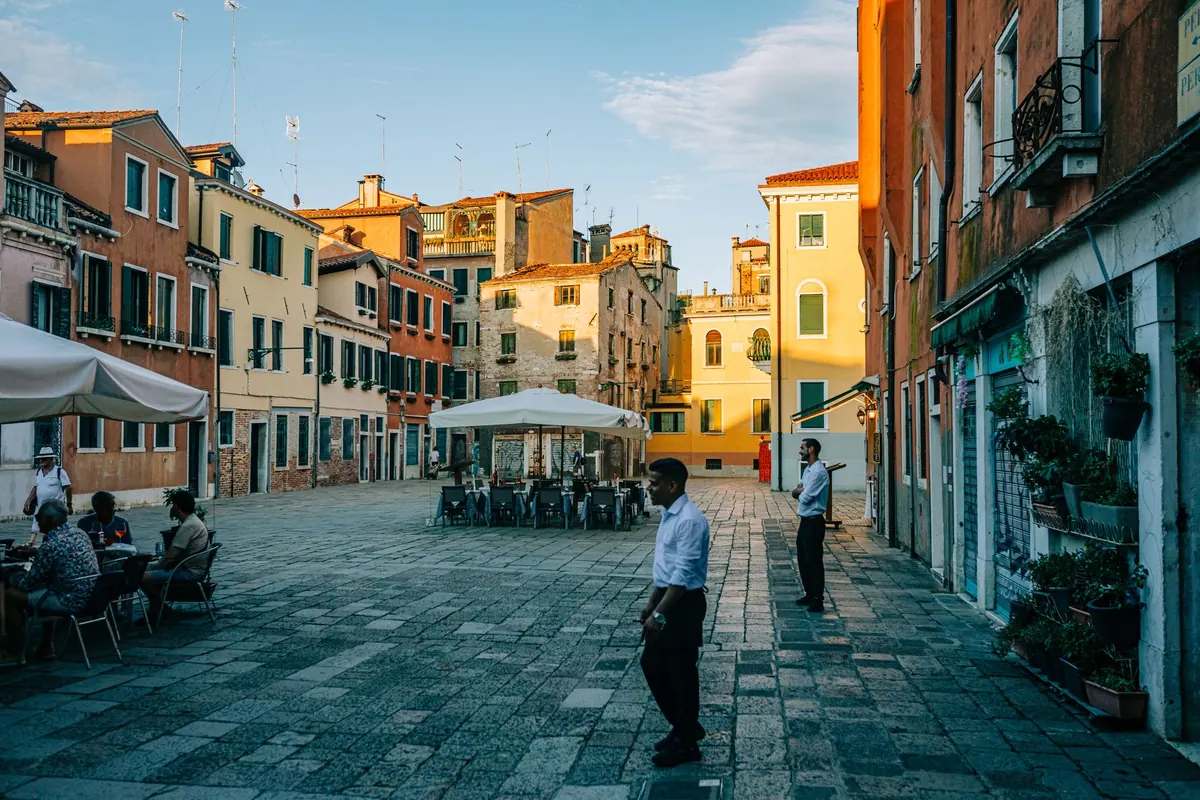
Watch a street in Bologna at eight in the morning and you will see something that looks, at first, wildly inefficient. People are standing. Not waiting for a bus, not queueing — just standing at a counter with an elbow on the marble, drinking a thimble of coffee, and then leaving. The whole thing is over in less time than it takes to order a latte to go in most cities. And yet nothing about it feels rushed.
That is the odd paradox of everyday Italian life. It is full of small rituals that are quick, cheap and completely unhurried, and together they set a tempo slower than the one most of us keep. None of them require a villa in Tuscany. Here are ten, and how to take them with you.
The coffee you drink standing up
A bar in Italy is not a lounge. It is a pit stop with excellent acoustics: the hiss of the machine, the clink of saucers, three people arguing about football, someone reading a newspaper folded into quarters. You order un caffè, you drink it at the counter, and you are gone in three minutes. Standing is a big part of why it works. You are not settled, not stationed, not scrolling. The coffee is a punctuation mark between two things, not an activity in itself.
There is often a second one later, after lunch, drunk the same way: fast, standing, conversational. Two short pauses instead of one long one.
To borrow it: stop drinking coffee at your desk. Make it a three-minute ritual at the kitchen window or the counter, cup down, phone elsewhere. If you use a café at home, drink the first half standing at the bar. It sounds trivial. It changes the shape of a morning more than it should.
The evening walk that isn't exercise
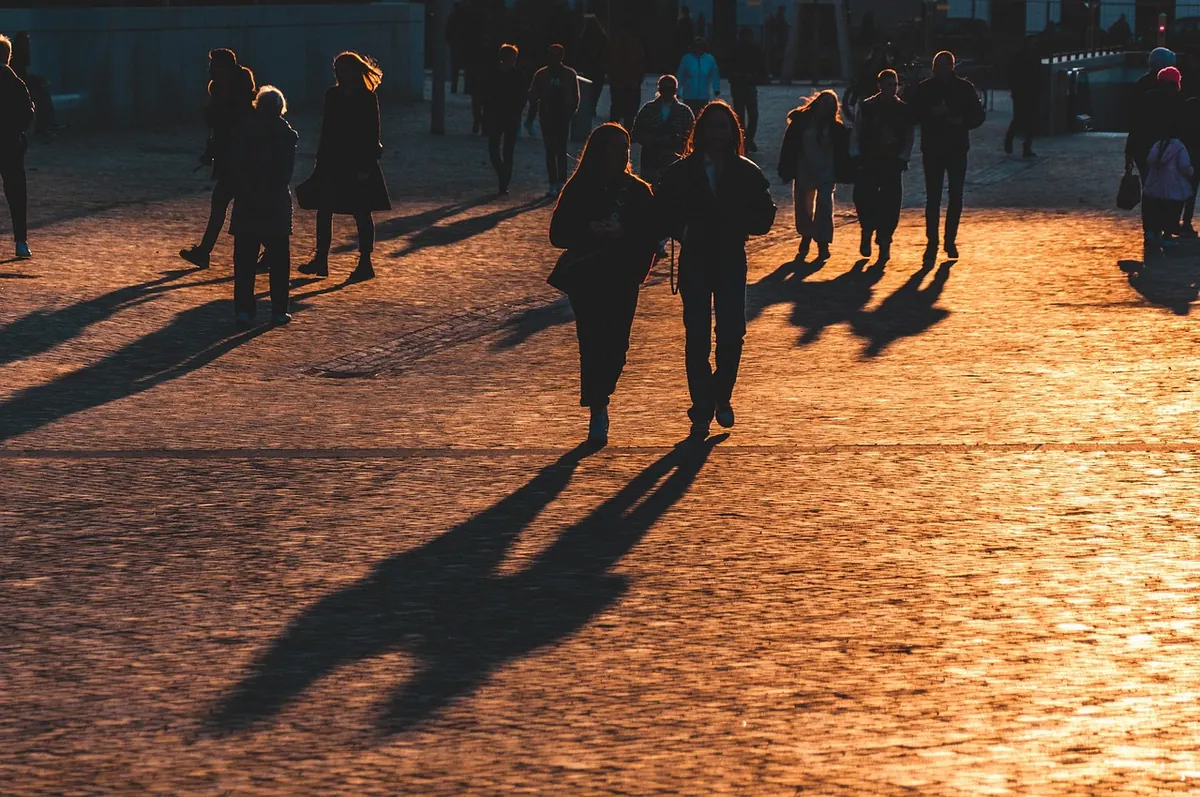
The passeggiata is the hour before dinner when a town empties onto its main street. Grandparents, teenagers, couples pushing prams, men in pressed shirts who have clearly changed out of work clothes to do nothing in particular. Nobody is power-walking. Nobody is tracking anything. People stop every twenty metres to talk.
The point is not distance or heart rate. The point is that the day gets a seam in it — a soft break between work and evening, walked rather than scrolled.
To borrow it: pick a loop of fifteen to twenty minutes near your home and take it before you start cooking, without headphones. Same route is fine, even better, because you start recognising people. Greet them. If a neighbour is outside, stop for a minute. The walk is the excuse; the stopping is the habit.
Lunch as an event, not an interval
The desk sandwich is a very hard habit to break, so start honestly. A proper Italian lunch is rarely elaborate on a weekday — a plate of pasta, bread, water in a glass, fruit, a coffee after — but it is sat down. The table gets set, if only barely. Someone asks how your morning was. The food is not eaten while typing.
On Sundays, the same instinct stretches out for hours: antipasto, a first course, a second, something green, fruit, a sweet, coffee, and then a long period of nobody moving.
Making it fit a working week
You do not need two hours. Try thirty minutes with the screens off, at a table, with a real plate. If you eat with colleagues, suggest eating together once a week instead of reheating separately. If you cook, make a little extra the night before so lunch is assembling rather than negotiating. And if lunch becomes the main meal, keep dinner light — that is how the rhythm holds without turning into a second job.
The aperitivo hour
Between roughly six and eight in the evening, bars fill with people having exactly one drink and a small bowl of something salty. A spritz, a glass of prosecco, a non-alcoholic bitter with soda. It is not dinner and it is not a session. It is a buffer zone between the working day and the evening, and its real function is conversation with no agenda attached.
To borrow it: invite one person, agree on one drink, give it forty-five minutes, and keep phones face down on the table. Do it on a Thursday rather than a Friday and you get the benefit of a slow evening without spending your whole weekend's energy on it. A good alcohol-free version works just as well — the ritual is the sitting, not the wine.
Errands on foot, done daily
In many Italian neighbourhoods, shopping is a small daily loop rather than a weekly raid: the baker, the greengrocer, the butcher, the woman at the till who knows your name. You buy what you need for the next day or two, you ask what is good, you take the thing they recommend instead of the thing on your list. The transaction comes with a conversation attached, and that conversation is not a delay to the transaction. It is the point.
To borrow it: replace one supermarket trip a week with a walk to two small shops. Buy bread from a person once. Ask a question — which of these is better today? — and listen to the answer. Leave the headphones at home. You will spend ten minutes longer and come back with better food and a marginally better mood.
Sunday at the table
Sunday lunch is the most load-bearing ritual on this list. The food matters, but the structure matters more: people arrive, nobody eats standing up, plates are passed, the table is not cleared the moment the last fork goes down. Coffee comes out, then a bottle comes out, and the conversation drifts. Leaving takes another half hour at the door.
To borrow it: once a month, cook one long meal and invite people to stay at the table. Not a dinner party with courses timed to the minute — just a table that stays occupied. Put the phones in a bowl in another room. Do not clear the plates while anyone is still talking.
Four more quiet rituals
These are the ones you notice only after a week or two, and they are just as easy to adopt:
- The midday pause. Not everyone closes up, but the habit of stopping properly in the middle of the day — a real break, curtains drawn, twenty minutes of nothing — survives in lots of places. Try a genuine pause rather than a lighter form of work.
- The greeting before the transaction. Buongiorno comes first, then the request. It costs three seconds and changes the tone of every small exchange you have all day.
- Buying what is in season, not what is on the list. Let the shop decide part of your menu. It makes cooking less of an administrative task and more of a response to the week.
- The long goodbye. Leaving a table takes twenty minutes because people say goodbye properly. Build in the extra time instead of treating it as an overrun.
Bringing it home without turning it into a performance
You cannot import a culture, and you should not try. The fastest way to kill these rituals is to make them into a project with a tracker and a photograph. Choose two, pick a time slot, and defend it for a fortnight — that is the whole method.
- Start with the smallest one. Coffee standing up, or a fifteen-minute loop after work. Not the Sunday lunch.
- Attach it to something that already happens. After the last email. Before you open the fridge. The ritual needs a fixed hook or it drifts.
- Take the screen out of it. Scroll inside a ritual and it stops being one.
- Do it with another person when you can. Shared habits survive busy weeks far better than private ones.
- Scale down rather than give up. Twenty minutes at the table beats a cancelled two-hour lunch. A ten-minute walk still counts.
Expect awkwardness at first. The standing coffee feels silly when you are the only one doing it. The neighbours may not want to chat. Do it anyway for a week, then notice how the day sits differently — slightly less like a list of tasks, slightly more like something you were present for. That is all these habits are doing, and it is more than enough.