City Break or Slow Travel? How to Compare Your Next Holiday
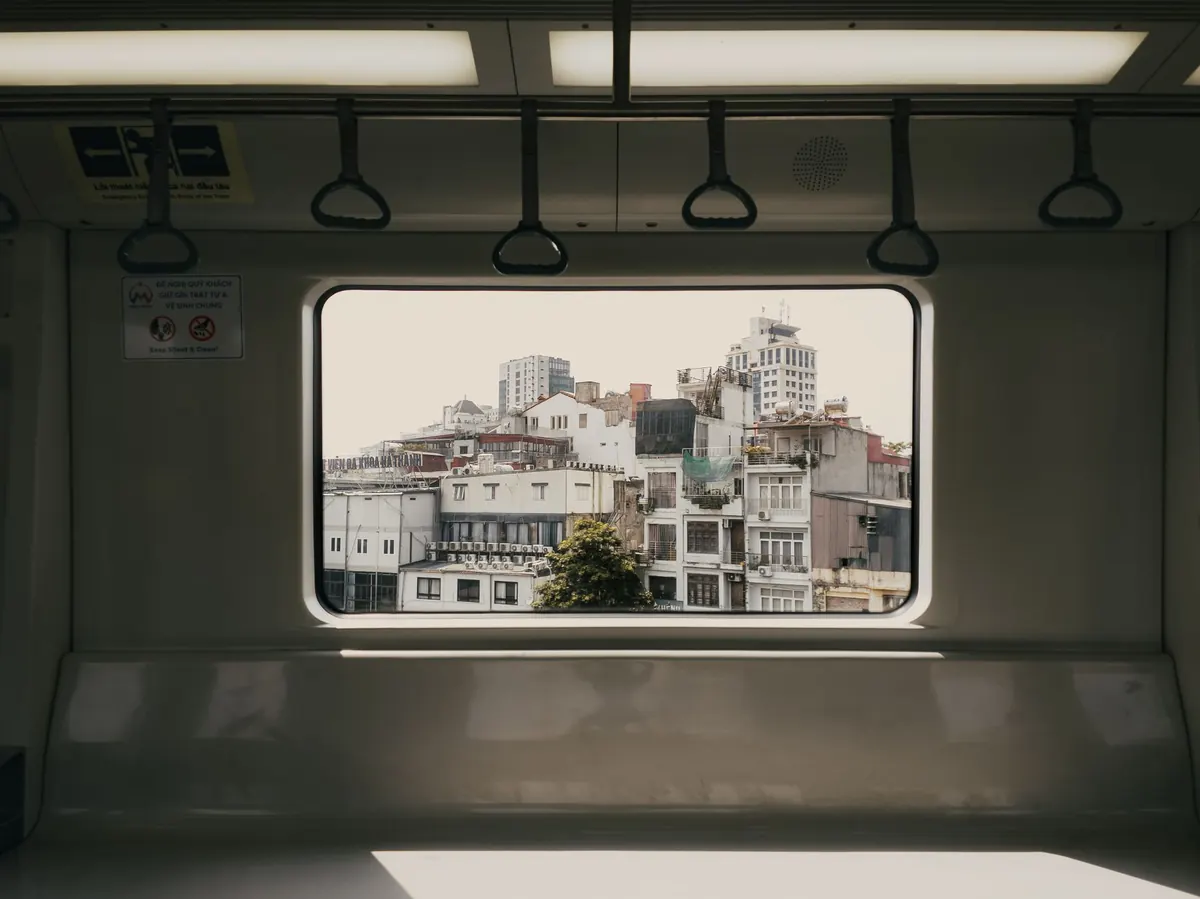
Two weeks in Lisbon. Or eight days moving between Lisbon, Porto, Coimbra and a stretch of the Alentejo coast. Both are good holidays. They are not the same holiday, and the difference rarely shows up in the photos. It shows up in how you feel on day three, in what you spend without noticing, and in how much of the trip you spend looking at your phone instead of out of a window.
Most travel decisions get made in a hurry: pick a city, book a flight, fill the days. But the style of trip you choose shapes everything else, from your budget to your mood. Here is how to compare the two honestly.
Start with pace, not destination
Pace is the clearest dividing line. A city break compresses everything. You might walk fifteen kilometres in a day without planning to, eat three meals in three neighbourhoods, and see two museums before dinner. It is stimulating and it is tiring, often in the same hour.
Slow travel spreads the same interest over more time and fewer places. You might stay in one town for six nights, learn which bakery opens early, take the same walk twice, and spend an afternoon reading because it rained. Nothing gets "ticked off" and that is the point.
A useful test: think about your last three holidays and how you felt on the final evening. Relieved to be going home? That suggests the pace was wrong. Energised and slightly sorry to leave? Whatever you were doing, keep doing it.
What each style really costs
Price comparisons usually stop at flights and hotels, which flatters the city break. Short trips look cheap because you are paying for fewer nights. In practice, short trips often cost more per day.
Here is where the money tends to go:
- Transport: Short return flights rarely earn you the best fare, and airport transfers are a fixed cost per trip rather than per day. Slow travel often means trains, which can be cheaper booked ahead and drop you in the centre.
- Accommodation: Two nights in a city centre costs far more per night than a week in a smaller town or a shoulder-season rental. Longer stays sometimes attract weekly rates, though you need to ask.
- Food: A packed city break pushes you towards convenient, central restaurants. A slower trip lets you shop, cook, and eat where people actually live.
- The hidden tax of rushing: Taxis because you are late, coffee because you need a break, one more museum ticket because you are already there. Small amounts, easily a third of a day's budget.
Neither style is automatically cheaper. A long, slow trip with car hire and a taste for good wine can cost more than four efficient days in a budget-friendly city. The point is to compare cost per day, not cost per trip.
How much planning each one demands
City breaks need front-loaded planning. Timed tickets, restaurant reservations, which day for which museum, how to get from the station with luggage. Miss the booking window for a major gallery and your Saturday changes shape. The work is real, but it is short and finished before you fly.
Slow travel needs a different kind of preparation. Fewer bookings, more decisions made on the ground. You need to know how local transport works, roughly where the good food is, and what you would do on a wet Tuesday. The planning is lighter but it never quite ends, because each day asks a small question.
If you like the feeling of a solved puzzle, the city break rewards you. If being handed a fixed itinerary makes you twitchy, slow travel will suit you better.
Energy: the part nobody budgets for
Energy is the most personal variable and the easiest to ignore. A city break asks for stamina: early starts, hard pavements, noise, decisions every two hours. It gives back adrenaline and novelty. For some people that is genuinely restful; for others, coming home is the first real rest.
Slow travel asks for patience and a tolerance for quiet. It can feel aimless on the first day and wonderful by the third. It also has a lower floor: if you are ill, jet-lagged, travelling with a small child, or recovering from a busy stretch at work, a slower trip forgives you in a way a three-city sprint does not.
Three quick questions to ask yourself
- Will I have more than five consecutive days off? If not, a city break is probably the honest choice.
- Do I want to come back rested or inspired? Both are valid, but they point in different directions.
- Am I travelling with people whose energy matches mine? A split between a morning person and a night owl is manageable for four days and corrosive over two weeks.
A hybrid that works better than either
You do not have to choose one thing for the whole trip. One of the most reliable structures is a short city stay followed by a slower stretch nearby: three days in a big city for museums and food, then a train to a smaller town for four or five nights. You get the energy of the city while you still have the energy for it, and the rest afterwards.
Two practical tips for making that work. Book accommodation in the city close to public transport rather than close to the sights; you will walk enough anyway. And keep the first day of the slow half completely unplanned, because that is the day you will need to sleep, do laundry, and find the local bakery.
Good travel is not about seeing more. It is about the ratio of what you notice to what you spend.
How to decide this week
Write down four numbers before you book anything: how many nights you can take, roughly what you can spend in total, how much planning you are willing to do now, and how much energy you expect to have. Then check the trip you are considering against each one. If the plan asks for more energy than you have, it will fail regardless of how good the destination is.
Be honest about travelling companions, too. A group usually defaults to the most ambitious itinerary, which suits nobody. Agree in advance on one slow day and one early start, then protect both.
Finally, remember that a holiday does not have to prove anything. A weekend in a nearby city you have half-explored can be better than a month of moving every two days. Match the style to the life you are actually living right now, not the one you imagine having. And if money is tight or you are travelling with health concerns, it is worth talking through the practical side with a qualified adviser before you commit.
Photo: Quý Nguyễn / Pexels