Common Mistakes to Avoid on Your First Trip to Italy
Most first trips to Italy don't fail. They slip. A morning disappears at a train station because nobody validated a ticket, a museum is closed on the one day you'd saved for it, dinner gets eaten at 5.40pm because the kitchen shut at three and nobody checked. Italy is generous to visitors who do a little preparation and quietly unforgiving of the ones who don't. Here are the mistakes that come up again and again, and the fixes that take ten minutes each to put in place.
Overpacking the itinerary
Rome, Florence and Venice in six days looks efficient on paper. In reality it's three hotel check-ins, two long hauls with a suitcase, and a lot of standing in front of famous things while you try to remember why you were excited about them.
The trap is that train time is never just train time. Between leaving a hotel and unlocking the next room, you're looking at half a day: the walk to the station, arriving early enough to find the platform, the ride itself, the walk from the station at the other end, the check-in queue, the shower, the reset. Do that twice in a week and you've spent a full day in transit without seeing anything.
Pick fewer bases. Two hotels in a week is comfortable; three is the limit for most people. Give each place at least three nights, take day trips from there rather than moving hotels, and leave one afternoon genuinely empty. The best hours in Italy are usually the unplanned ones — a second coffee in a square, a church you wandered into because the door was open.
Choosing a hotel on looks instead of location
The photographs show the room. The address tells you what the trip will actually feel like. Before you book, drop the pin into a map and check three things: how far you'll walk to the places you care about, whether there's public transport nearby, and whether the last stretch is uphill, cobbled, or involves bridges with steps. In Venice, "five minutes from San Marco" can mean hauling a suitcase over three bridges. In Rome, "central" can mean a beautiful street with no metro for fifteen minutes in any direction.
Then ask the hotel two or three blunt questions by message:
- Is there a lift, and how many stairs to the room?
- Is the air conditioning individual and working in July?
- How is the city tourist tax collected, and is it cash?
That last one matters: many Italian towns charge a nightly tourist tax per person, usually payable at the property, and it isn't always included in the rate you booked. It's rarely large, but it's better to expect it than to be surprised at checkout.
Train tickets: buying, validating, boarding
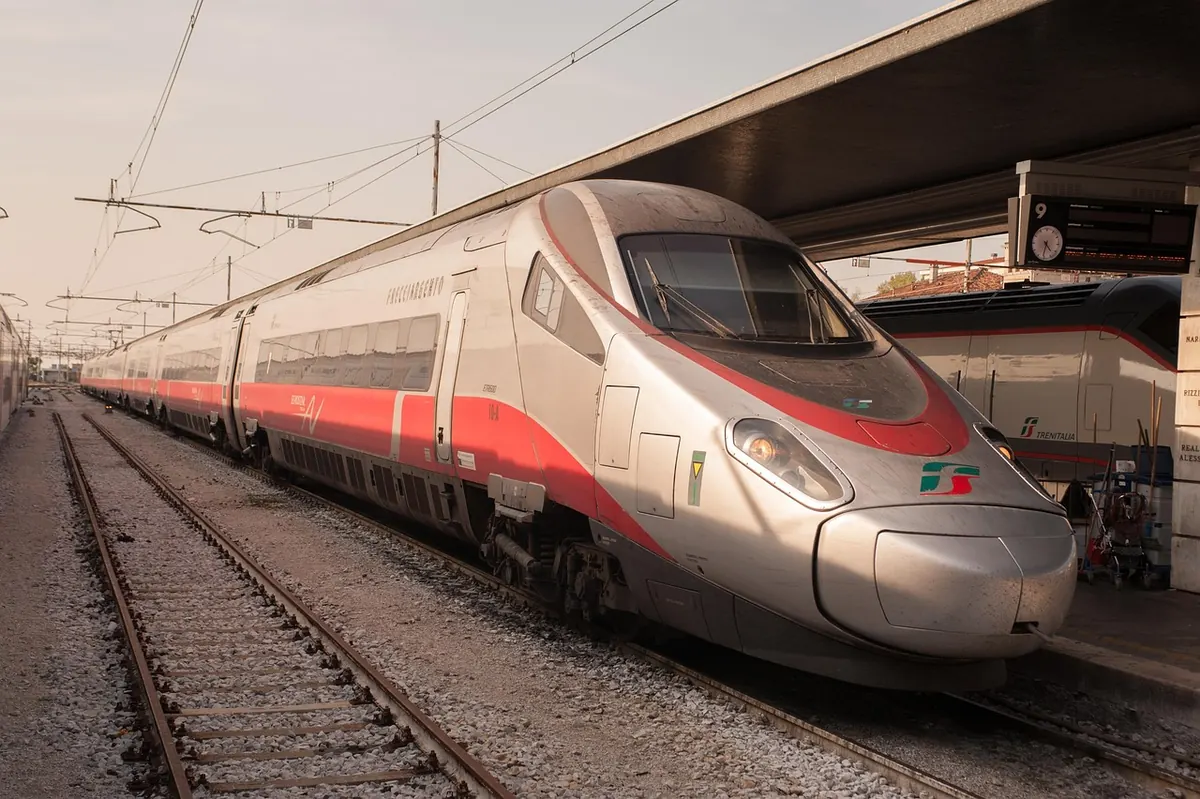
This is the classic. On many regional trains, a paper ticket from a machine or counter comes without a date and time stamped on it. If you board without validating it, an inspector can treat it as not valid for travel, and that can mean a penalty on the spot. The small validating machines — often green and white — usually sit near the platform entrance. Rules vary by region and operator, so read the ticket itself and the signs on the platform, and if you're unsure, ask at the ticket office before you go through. Tickets bought in an app or online are normally timestamped already, which removes the problem entirely.
Two more habits worth building:
- Check the board twice. Platform numbers can change late, and announcements are often in Italian only. Arrive with time to look up at the departures board rather than sprinting.
- Keep the ticket until you're out of the station. Inspectors can appear after a stop, and a discarded ticket is hard to produce.
Expecting restaurants to run on your schedule
Italian restaurant hours are not a personal insult. Lunch service typically runs from about 12.30 to 14.30, dinner starts around 19.30 or 20.00, and plenty of places close one day a week — sometimes more in August, when family-run kitchens take their holiday. Turn up at 4pm and you'll find the shutters down.
A few things that confuse first-timers, all of them normal:
- Coperto is a small cover charge per person, listed on the menu. It's standard, not a trick.
- Sitting costs more than standing. At a café, the price at the bar is usually lower than the price at a table, and more again on a terrace. Ask which price applies before you order, especially in Venice and on grand piazzas.
- The bill won't arrive unasked. Nobody is ignoring you; the table is yours until you request il conto.
- Cappuccino is breakfast. Ordering one after lunch won't cause a scene, but a caffè or an espresso is what most locals have.
Also: book dinner for anywhere with a reputation, eat lunch wherever looks busy with locals, and remember that pepperoni on a pizza means peppers, not cured sausage. If you have allergies or dietary needs, learn the key phrases and say them clearly at the start — a good restaurant will take it seriously, but the responsibility for being understood is yours.
Dressing for the postcard instead of the day
Italy's churches are not just sights; they are working religious buildings, and many enforce a dress code at the door. Shoulders and knees covered is the safe rule for everyone, and the great basilicas are the strictest. Carry a light scarf or a thin shirt in your bag and you'll never be turned away.
The other half is practical. You will walk more than you expect, on cobblestones, marble and uneven stone. Bring shoes you've already broken in, and save the elegant pair for the evening. Beachwear belongs at the beach.
Money, restricted zones and the small scams
Three money details catch people out. First, ZTLs: many historic centres are limited-traffic zones, closed to ordinary cars and watched by cameras. Drive in by mistake and the fine can follow you home months later, sometimes more than once. Park outside the walls and walk, or use public transport. Second, touts outside major museums selling "skip the line" entry: book directly with the museum or the official site instead, well before you travel, and treat anyone approaching you with a laminated menu of tours as a negotiation, not an offer.
Third, cash and cards. Contactless is widely accepted, but small bars, market stalls and some taxis still prefer notes, so keep a modest amount of small cash. Use bank ATMs rather than standalone machines in tourist streets, and if the machine offers to convert the charge into your home currency, decline — paying in euros is usually the better deal. Check what your own bank charges before you go, and treat anything in this area as general guidance rather than advice for your circumstances; your bank or a financial adviser can tell you what's actually right for you.
Gelato shops directly facing a monument are the ones to walk past. Look for a place with prices displayed clearly and a queue of people who live there. And in crowds at Termini, around the Duomo, on busy metro lines, wear your bag across your body and keep your phone out of your back pocket.
One last note: check what your health cover includes before you fly, and if you take prescription medicine, bring it in its original packaging with a copy of the prescription. For anything specific to your health, ask a professional rather than relying on a travel blog.
A short checklist before you go
- Two bases, three nights minimum each, one empty afternoon.
- Hotel address checked on a map; lift and air conditioning confirmed in writing.
- Major museums booked on the official site; opening days checked, including Mondays.
- Train tickets bought in the app where possible, or validated at the platform machine.
- Scarf in the day bag, broken-in shoes on your feet.
- Car parked outside the ZTL, or no car at all.
- Learn five phrases: buongiorno, per favore, grazie, il conto, quanto costa? They do more work than you'd think.
Then put the list away. The point of preparing is to stop thinking about logistics once you're there — so you can order the thing you can't pronounce, take the long way back, and let the afternoon run.
Photo: AntDavey / Pixabay