How to Read an Italian Menu Like a Local
The first time you sit down with an Italian menu, it can feel less like a list of dishes and more like a set of instructions you missed. A primo sounds like a first course but is really a category. Coperto looks like a penalty. A handwritten board by the door may be the best food in the room. None of it is complicated once you know the logic. Italian menus are built around rhythm, not rules for their own sake. The menu is a map of the meal, not a test you can fail.
The courses are a structure, not a checklist
An Italian menu is organized by course, and the order is fixed: antipasto, primo, secondo, contorno, dolce, coffee. You are not expected to order one of everything. Two courses is a normal meal; three is generous; four is a long lunch.
- Antipasto: a small starter, often cured meat, cheese, vegetables, or seafood. It is meant to wake up the table, not fill it.
- Primo: pasta, risotto, soup, or polenta. This is a course in its own right, not a side dish.
- Secondo: meat or fish, usually served plain or with a simple sauce. The side dish does not come automatically.
- Contorno: vegetables or salad ordered separately to go with the secondo.
- Dolce: dessert. Many locals skip it and go straight to coffee.
- Caffè: an espresso, not a mug of filter coffee. Digestivo may follow if the meal has been long.
A common local shape is an antipasto to share, a primo each, and a secondo with a contorno to share. Another is simply a primo and a contorno. If you order a secondo, remember that the vegetables are usually a separate line on the menu. Ask for un contorno if you want one.
The sequence matters because the kitchen often cooks in courses, not all at once. If one person orders a primo and another orders a secondo, the secondo may arrive after the primo has been eaten, not beside it. That is not bad service; it is the rhythm. If you want everything to land together, say so when you order, but expect the kitchen to prefer its own pacing.
Coperto: the small charge that is not a tip
Coperto is a cover charge, usually per person. It covers the table, the bread, and the linen, and it is normal in many trattorias and restaurants. It is not a tip, and it is not usually a sign that you have wandered into a tourist trap. In some places it is printed on the menu; in others it appears on the bill. If you are unsure, ask before you order.
You may also see servizio, a service charge that sometimes applies to larger groups. Tipping is not expected in Italy the way it is in some countries. If service was good, rounding up or leaving small change is a nice gesture, not an obligation. Check the bill, pay what it says, and leave a little extra only if you want to.
One useful habit is to look at the menu’s small print before you sit down. If the coperto is two or three euros per person, that is ordinary. If it is much higher, or if a service charge is added without being mentioned, ask politely what it covers. A good restaurant will explain without drama.
Daily specials are where the kitchen shows off
Look for menù del giorno, piatti del giorno, or a chalkboard near the door. A menù del giorno is usually a fixed lunch: perhaps a primo, a secondo, and a contorno, sometimes with water and coffee. Ask what is included before you order. Piatti del giorno are the day’s dishes, often built around what the market had that morning.
Fuori menù means off-menu, and it can be the most interesting thing in the room. Ask “Cosa c’è di buono oggi?” or the more formal “Che cosa consiglia?” If the board is handwritten and hard to read, ask for a translation. Specials are not automatically cheaper; they are simply what the kitchen wants to cook right now.
“Cosa c’è di buono oggi?” is one of the most useful sentences in Italy. It tells the waiter you are interested in the kitchen, not just the list.
Specials also tell you where you are. A board in Rome may lean toward cacio e pepe or carciofi; in Bologna you may see tagliatelle al ragù; near the coast, the specials are more likely to be about the morning’s fish. If a dish is described as di stagione, it is usually a safe and pleasant choice.
Words that change what arrives on your plate
A few menu words do real work. Learn these and the list becomes much less mysterious:
- Al forno / alla griglia / in umido: baked, grilled, or stewed. The cooking method often matters more than the main ingredient.
- Crudo / cotto: raw or cooked. Useful with seafood and cured meat.
- Ripieno: stuffed. Expect a filling inside pasta, meat, or vegetables.
- Fatto in casa: made in house. Worth noticing for pasta, bread, and desserts.
- Di stagione: seasonal. A good sign on a vegetable dish.
- Sugo / ragù: sauce, often tomato-based; ragù is usually a meat sauce.
- Bianco / rosso: white or red, usually for wine. Della casa means the house wine.
- Frizzante / naturale: sparkling or still, usually for water.
Al dente means firm to the bite, not raw. If you want your pasta softer, ask, but expect a gentle look. Un caffè at the end means an espresso; if you want a cappuccino after lunch, order one, though locals usually drink it earlier in the day.
Two other small words are worth knowing. Piccante means spicy, so do not order it by accident if you are sensitive to heat. Benessere is not a menu word, but ben cotto means well cooked, useful if you prefer your meat or fish more done. A simple “Per me, ben cotto” is enough.
How to order without turning dinner into a transaction
In most trattorias the waiter takes the whole order at once, then sends the courses out in sequence. You can order everything at the start and let the kitchen pace it. If you want to linger, say you will order course by course: “Vorremmo ordinare per portate.”
Bread is not an appetizer. It arrives with the coperto or before the meal; eat it while you wait, but save room for what you ordered. Do not treat it as a free starter or fill up before the primo arrives. If you want olive oil, ask; do not assume it will appear automatically with the bread.
A sample order that works
If you want a meal that feels local without over-ordering, this shape is hard to beat:
- Share one antipasto for the table, especially if it includes cured meat, cheese, or grilled vegetables.
- Order one primo each. This is the heart of the meal for many Italians, so choose the pasta or risotto you actually want, not the one you think sounds most impressive.
- Order one secondo to share if you are still hungry, plus one contorno of vegetables or salad.
- Finish with coffee. Order dolce only if the dessert list looks particularly good or you are settling in for a long lunch.
This is flexible. For a lighter meal, skip the secondo and take a primo with a contorno. For a bigger dinner, add the antipasto and dessert. The point is not to follow a formula but to understand the proportions: pasta is not a side, vegetables are not automatic, and coffee is a course of its own.
Water, bread, and the final coffee
Water is usually ordered, not assumed. You will often be asked “Normale o gassata?” — still or sparkling. House water is not always available, so order acqua naturale or acqua frizzante and let the bottle sit on the table. Wine follows the same practical logic: vino della casa is the house wine, often good value, and a half-liter or quarter-liter may be enough for two people.
At the end, coffee is short and strong. If you want to linger, order it and then ask for the bill when you are ready; in many places the bill will not arrive until you ask. “Il conto, per favore” is all you need. Pay what the bill says, leave a small extra only if you want to, and take your time. Reading the menu like a local is less about knowing every word and more about understanding the pace: order what you will enjoy, let the courses arrive in their own order, and treat the table as a place to stay awhile.
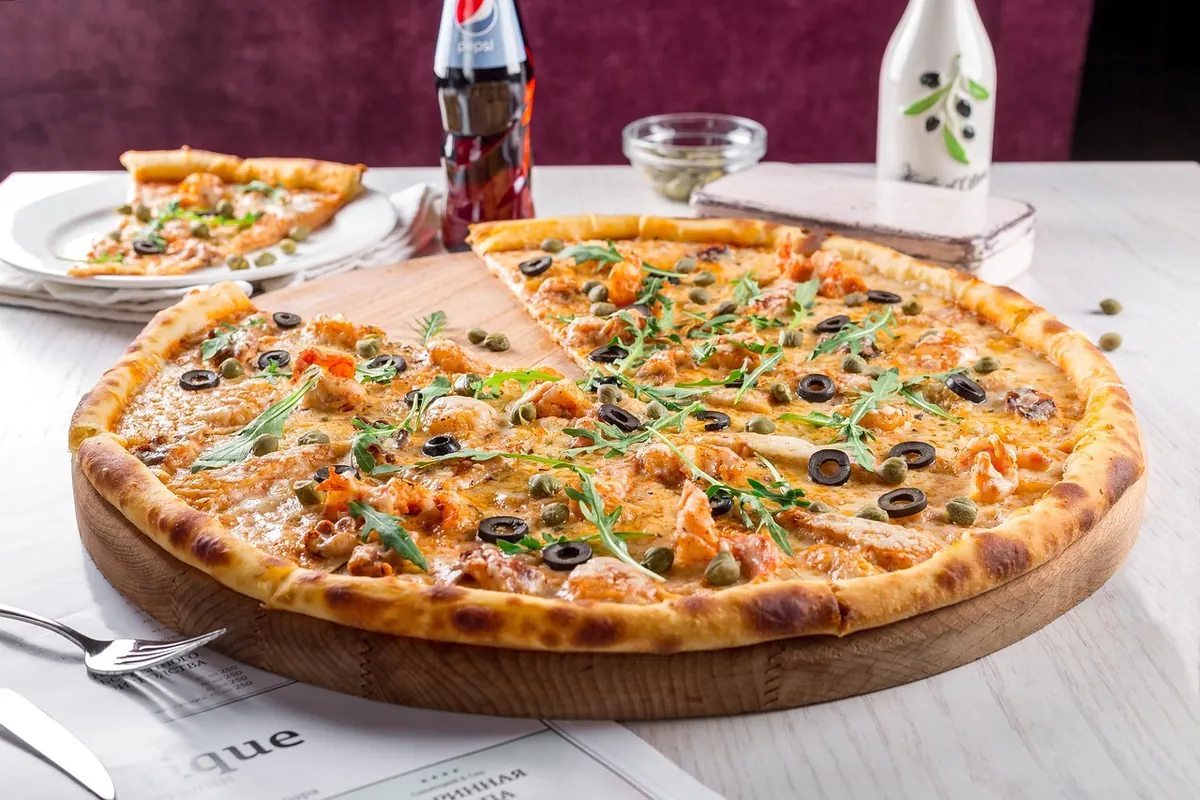
Photo: Daria-Yakovleva / Pixabay