The Beginner's Guide to Hosting a Casual Dinner Party
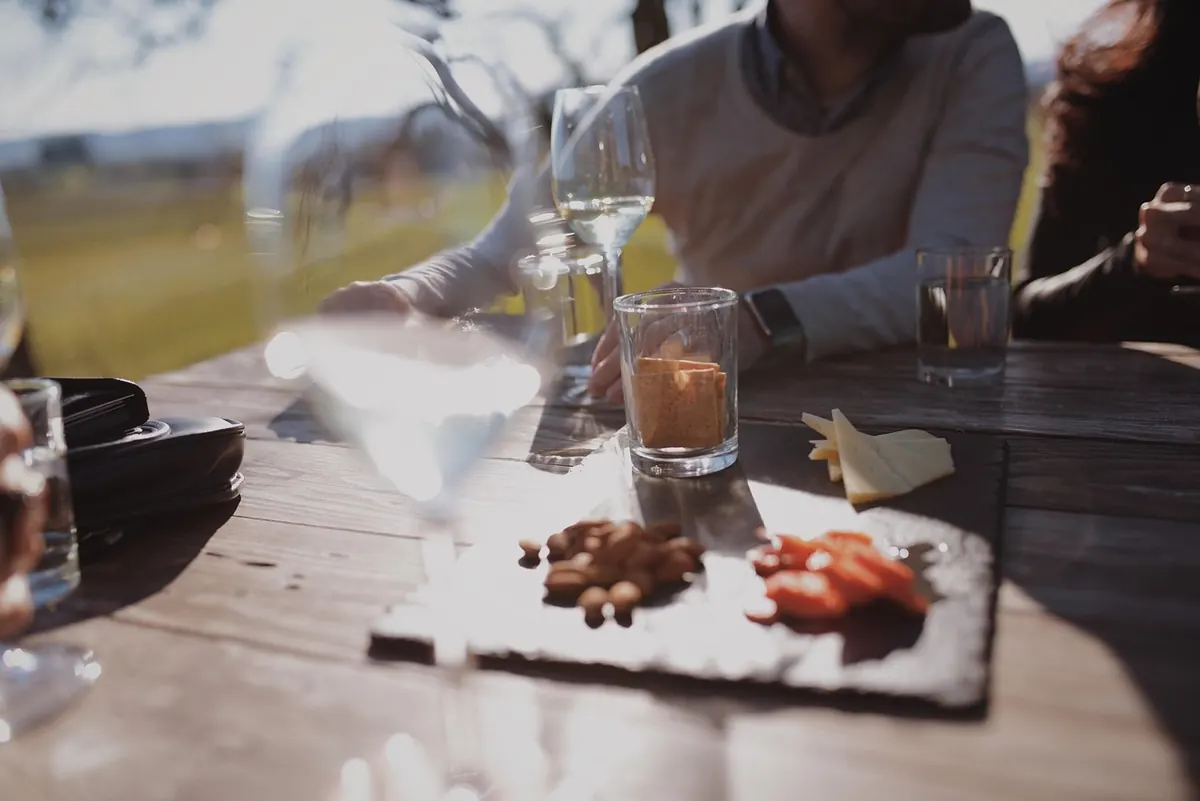
The first dinner party is usually the hardest, and not because of the cooking. It is the logistics: what to make, when to start, where everyone sits, and how to be a host and a guest in your own home at the same time. The good news is that a casual dinner party has a low bar and a generous margin for error. Nobody arrives hoping for restaurant plating. They come for a warm room, a decent meal and a conversation that doesn't stall. What follows is the version of hosting that works when you have one oven, four chairs that match, and a full week of work behind you.
Build a Menu You Could Cook on a Bad Day
The most common first-time mistake is choosing dishes that all need attention in the final twenty minutes. That is exactly when the doorbell starts ringing.
Instead, build the meal from three parts: one thing in the oven, one thing served cold or at room temperature, and one thing you buy rather than make. That structure survives late guests, a slow oven and a host who wants to sit down.
Here is a menu that has never failed me: chicken thighs roasted on one tray with lemon, garlic and halved potatoes; a big salad of bitter greens with sliced pear and toasted seeds; good bread and salted butter; a wedge of cheese while people arrive; and vanilla ice cream with warm berries for dessert. Almost none of it is timing-sensitive.
Two rules worth keeping. First, cook at most one new recipe — the rest should be things you have made before and could make while distracted. Second, favour dishes that improve with waiting: braises, bakes, grain salads, anything dressed in advance. A perfectly seared piece of fish is lovely and also a hostage to fortune.
Ask about allergies when you send the invitation, not at the table. And if someone doesn't eat meat or dairy, adding one generous vegetable dish and a plain starch usually covers it without redesigning the whole menu.
The Prep Timeline That Keeps You Out of the Kitchen
Hosting gets stressful when everything is crammed into the last hour. Spread the work backwards instead.
- Three or four days out. Write the menu down. Count plates, glasses and chairs — actual numbers, not estimates. Shop for anything that keeps: wine, cheese, dry goods, candles.
- Two days out. Make whatever improves overnight. A dessert, a salad dressing, a soup, a pot of beans.
- The day before. Clean the bathroom, set the table, choose the playlist, chill the drinks. Chop hardy vegetables and store them in containers. This is the day that buys you a calm evening.
- Morning of. Buy the fresh things. Put a sticky note on each serving dish naming what goes in it — it sounds fussy and it saves you mid-service.
- Two hours before. Set out the cheese and olives. Shower and change now, while the kitchen is still quiet. You will not want to do it later.
- One hour before. Get the main dish into the oven. Light a candle. Leave the salad undressed.
- Fifteen minutes before. Bread out, water on the table, music on low.
If you build in one cushion — one dish that can sit happily for twenty extra minutes — you will not spend the evening apologising.
Seating Is Simpler Than It Looks
You do not need a dining room. A table pushed against a wall, a coffee table with cushions on the floor, or a kitchen counter with stools will all do, as long as people can hold a plate and see each other.
The basics are less about furniture than about pairing. Sit the quietest guest next to the most easygoing talker. Split couples up — they will talk to each other all week anyway, and separating them doubles the number of conversations in the room. Put the person who works with food next to the person who is curious about everything. Keep your own seat at the end nearest the kitchen, so you can get up without climbing over anyone.
For six or more, place cards are quietly useful, even handwritten on the back of an envelope. They remove the awkward shuffle at the table and let you engineer who talks to whom.
Serve family-style and pass the dishes. It gives everyone something to do with their hands and turns the first five minutes into a small shared project.
Low-Stress Habits That Lower the Temperature of the Room
- Turn off the overhead light. Lamps and candles make an ordinary room look like an occasion.
- Put a drink in people's hands within thirty seconds of them walking in. A small bowl of nuts or olives helps too.
- Keep the music low enough that nobody has to raise their voice. A prepared playlist beats the radio, which will always find a bad song.
- Say yes to help. Someone offering to pour wine or carry plates is not doubting you; let them.
- Clean the bathroom properly and ignore the rest. Fresh towel, visible toilet roll, a candle. That room gets more scrutiny than your hallway.
- Never apologise for the food. If something is underseasoned, fix it quietly. Announcing it makes guests feel obliged to reassure you.
- Decide in advance when you want the evening to end. You can always ignore your own deadline, but having one makes it easier to say goodnight warmly.
Guests remember how the room felt long after they forget what was on the plate.
When Something Goes Wrong
It will, in some small way, and it rarely matters. The chicken needs twenty more minutes? Serve the cheese course now, pour more wine, put the bread out. A guest is stuck in traffic? Start with the cold dish and let the main wait. Something tastes flat? Lemon, salt, good olive oil and grated parmesan will rescue most things.
For a lull in conversation, keep one specific question in reserve. "What's the best thing that happened to you this week?" works far better than "So, what's new?" If a guest has had too much to drink, move to water and coffee, put food in front of them, and arrange a taxi without making it a scene.
And if the whole meal goes sideways, order something in. Nobody at a casual dinner party has ever gone home disappointed because the food was simple.
The Part Guests Actually Remember
Hosting well is mostly a series of small acts of attention: a lit candle, a full glass, a question that lets someone talk about the thing they love. You do not have to be a confident cook to do any of that.
Leave the dishes. Twenty minutes of sitting with your guests is worth more than a spotless sink, and the pans will still be there in the morning. Then pick a date within the next month or two and do it again — the second dinner party is roughly half the work, because you already know the menu, the seating and the rhythm of your own kitchen.
Photo: StockSnap / Pixabay